Termite inspection professionals ready to serve in Wyoming
Termites: The Silent Invaders Lurking in Your Home
Termites, the elusive and destructive pests, pose a significant threat to the structural integrity of homes and other wooden structures. These subterranean creatures, often referred to as “white ants” despite their lack of relation to true ants, operate covertly beneath the surface, leaving behind a trail of damage that can go unnoticed for years.
Understanding the nature of termites and their behavior is crucial for homeowners and property managers. Early detection and prompt treatment can prevent extensive damage and costly repairs, safeguarding the value and safety of your property.
Termite Species and Behaviors
Several species of termites exist worldwide, each with distinct characteristics and preferred habitats. However, the most common types of termites that infest homes in the United States include:
- Subterranean termites: These termites are the most prevalent type, responsible for the majority of termite infestations. They nest underground and build intricate tunnels to access wood sources.
- Drywood termites: As the name suggests, these termites infest dry wood above ground. They do not require contact with the soil and can cause significant damage to furniture, wood panels, and other wooden structures.
- Dampwood termites: These termites prefer wood that is moist or decaying. They are typically found in damp areas, such as crawl spaces, basements, and woodpiles.
Termites are social insects that live in highly organized colonies. Each colony consists of several castes, including workers, soldiers, and reproductives. Workers are responsible for constructing and maintaining the nest, foraging for food, and caring for the young. Soldiers defend the colony from intruders, while reproductives ensure the continuation of the species.
Signs of Termite Infestation
Termite damage may not always be readily apparent. However, there are subtle signs that can alert you to a possible infestation:
- Mud tubes: These pencil-thin tubes, constructed of soil and termite saliva, are used by subterranean termites to travel between the ground and their food source. They are often visible on the foundation of a home or around woodpiles.
- Hollowed wood: If you tap on wood and it sounds hollow, it could be a sign of termite damage. Termites consume the wood from the inside out, leaving only a thin layer of surface wood intact.
- Discarded wings: When termite swarmers (reproductive termites) emerge from their colony to mate, they shed their wings. These discarded wings can be found near windows, doors, or other openings.
- Frass: Termites produce small, pellet-shaped droppings called frass. The presence of frass near wood or in crawl spaces may indicate an infestation.
- Termite infestation damage: Termites eat through wood from the inside out. If you see small holes or tunnels in the wood, it could be a sign of termite damage.
Preventative Measures and Termite Control
Taking proactive steps to prevent termites is essential. Consider the following measures:
- Moisture control: Termites thrive in moist environments. Keep your home dry by fixing leaky faucets, repairing damaged gutters, and eliminating moisture sources in crawl spaces and basements.
- Wood contact elimination: Minimize wood contact with the ground by maintaining a proper clearance between soil and wooden structures. Trim branches and shrubs away from the house, and avoid stacking firewood against the foundation.
- Termite barriers: Install physical barriers around your property to prevent termites from entering. These barriers can be chemical or physical, such as treated wood, metal flashing, or gravel.
If you suspect a termite infestation, it is essential to contact a licensed pest control professional immediately. Professional termite control typically involves the use of chemical treatments and baiting systems. These treatments are designed to eliminate the existing infestation and prevent future recurrence.
The Importance of Professional Termite Control
Attempting to control termites on your own is not advised due to the complexity of their behavior and the potential for further damage. Professional pest control companies have the expertise, equipment, and experience to accurately identify the species of termite, determine the extent of the infestation, and implement an effective treatment plan.
By seeking professional assistance, you can ensure that the termite infestation is addressed promptly and effectively, minimizing the risk of structural damage, costly repairs, and health concerns associated with termite infestations.
Conclusion
Termites are a pervasive threat to the integrity of homes and wooden structures. Understanding their behavior and the signs of infestation is crucial for homeowners and property managers alike. Preventative measures and timely professional assistance are essential to protect your valuable assets from the silent destruction caused by these tenacious pests.
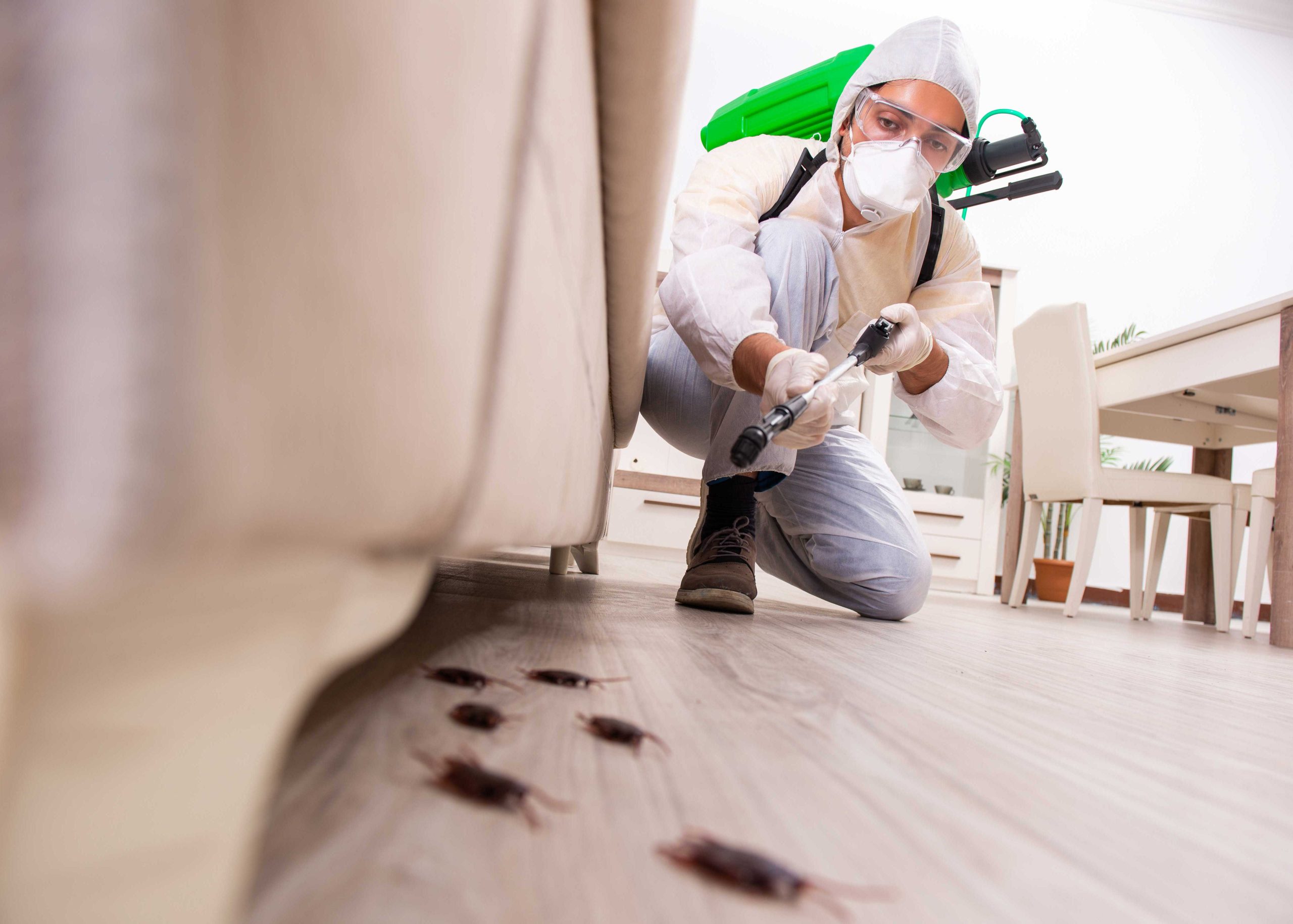
Ensure your home's safety with a termite control professional
1. Contact our team or fill out our local estimate form to get in touch
Need termite removal services? Our local network of experts can help! We make it easy to connect with a professional in your area. All you need to do is call our team or fill out our local estimate form. You won’t be charged until you decide to proceed with one of our trusted professionals. Get top-notch termite removal services today!
2. Connect with a termite extermination expert in Wyoming
Looking for a Wyoming termite removal expert? We’ve got you covered. Filling out our form is a great option if you need to connect with an expert at a later time. If you need help right away, give our team a call. Our experts are ready to provide you with an estimate over the phone. They may also need to conduct some basic termite inspections before giving you an estimate.